
Polyester Vs Cotton Vs 50/50 Blends: a Complete Fabric Comparison Guide
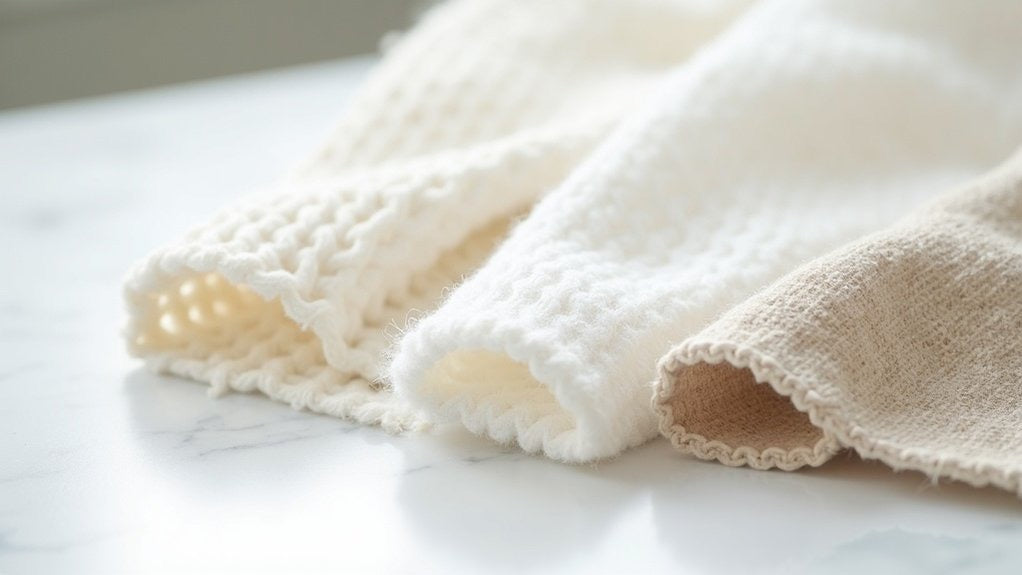
Regarding the selection of fabrics for your projects, the choice between polyester, cotton, and 50/50 blends can make or break your final product. Each material brings distinct advantages to the table, from durability and cost-effectiveness to comfort and breathability. We've tested these fabrics across multiple performance categories to give you the data you need. The results might surprise you, especially in the case of which fabric actually delivers the best long-term value.
Comfort Breakdown
When we're choosing fabrics for clothing, comfort becomes our TOP priority. Each fabric type offers distinct advantages that affect how we feel throughout the day.
|
Fabric Type |
Softness & Feel |
Durability & Care |
Best For |
|
Cotton |
Very soft, natural, gentle on skin |
Moderate : prone to shrinking, wrinkling and fading |
Everyday comfort, casual wear, sensitive skin |
|
Polyester |
Smooth but less natural feel |
Excellent : resists wrinkles, shrinking and dries fast |
Activewear, uniforms, frequent washing |
|
50/50 Blend |
Soft with added structure |
Very good : combines comfort with durability |
Balanced choice for versatile, everyday use |
Which Fabric Lasts Longer?
When we're investing in clothing, durability becomes a pivotal factor in our decision-making process. We'll examine how polyester performs in high-wear situations and identify its weak points, then contrast this with cotton's impressive strengths and notable vulnerabilities. Eventually, we'll investigate how blended fabrics attempt to balance longevity with other desirable qualities, though these combinations come with their own trade-offs.
Where Polyester Excels and Where It Falls Short
Although polyester often gets dismissed as a cheap substitute for natural fibers, this synthetic material offers impressive durability that outperforms many traditional fabrics. We've found that polyester garments resist shrinking, stretching, and fading better than cotton alternatives. The fibers maintain their shape through countless wash cycles.
Polyester excels in moisture management and quick-drying properties. Athletic wear manufacturers choose this material because it wicks sweat away from skin efficiently. It also resists wrinkles naturally, making it ideal for travel clothing.
However, polyester falls short in breathability and comfort. The synthetic fibers trap heat and don't allow proper air circulation. We notice that polyester garments often retain odors more than natural fabrics. In addition, polyester can feel less comfortable against skin during extended wear.
Where Cotton’s Shines and Where It Struggles
Cotton stands in the capacity of the most popular natural fiber worldwide, and for good reason. We appreciate its natural breathability, which allows air to flow through the fibers and keep us comfortable in warm weather. Cotton also absorbs moisture effectively, making it ideal for everyday clothing.
However, cotton faces several challenges that restrict its versatility. It wrinkles easily and requires regular ironing to maintain a crisp appearance. Cotton shrinks when exposed to heat during washing or drying, which can ruin the fit of garments.
The fabric also stains more readily than synthetic alternatives and takes a longer time to dry. Cotton's durability suffers over time, as repeated washing causes fibers to break down and colors to fade.
Benefits and Compromises of Blended Fabrics
Since fabric manufacturers recognized cotton's limitations, they developed blended fabrics that combine natural and synthetic fibers to address these weaknesses. The most common blend mixes cotton and polyester in equal proportions, creating a 50/50 fabric that balances both materials' strengths.
These blends offer significant advantages over pure cotton. They resist wrinkles better, dry faster, and maintain their shape longer. The polyester component adds durability while cotton provides breathability and softness. This combination creates garments that require less maintenance and last longer than pure cotton items.
However, blends involve compromises. They're less breathable than 100% cotton and can retain odors more readily. The synthetic fibers also reduce the fabric's natural feel, making it less comfortable against sensitive skin.
Comparing Breathability
When we’re choosing fabrics for clothing, breathability often determines our comfort throughout the day.
Cotton
-
Naturally leads in breathability due to its porous fiber structure that allows air circulation
-
Strong moisture absorption
-
Natural fibers create tiny channels that help sweat evaporate quickly
Polyester
-
Ranks lowest in breathability because its synthetic fibers repel moisture rather than absorbing it
-
Creates a barrier effect that traps heat and humidity against the skin
50/50 Cotton-Polyester Blends
-
Offer moderate breathability between pure cotton and polyester
-
Provide better airflow than pure polyester due to cotton content
-
Absorb less moisture than 100% cotton fabrics
-
Balanced performance for everyday comfort while maintaining polyester’s durability advantages
Making Your Decision
Now let’s help you choose the right fabric based on your specific needs. We've tested polyester, cotton, and blends across three key areas that matter most to consumers. Let's examine which fabric wins in comfort, breathability, and durability to guide your final decision...

Best Choice for Comfort
Cotton emerges as the top choice for overall/comprehensive comfort due to its natural breathability and soft texture against skin. The fibers allow air circulation while absorbing moisture efficiently.
50/50 blends offer a balanced compromise. They retain cotton's comfort benefits while gaining polyester's durability and wrinkle resistance. This combination works well for everyday use and active lifestyles.
Pure polyester ranks lowest for comfort in most situations. Its synthetic nature traps heat and moisture, creating an uncomfortable feeling during extended use. However, modern moisture-wicking polyester performs better for athletic activities.
Your specific needs should guide your decision. Consider your climate, activity level, and personal preferences when selecting the most comfortable fabric option.
Best Choice for Breathability
Since breathability directly impacts your daily comfort, choosing the right fabric becomes crucial for maintaining a pleasant wearing experience.
Cotton clearly wins this category due to its natural fiber structure. The cotton fibers create microscopic spaces that allow air to flow freely through the fabric, keeping you cooler and drier throughout the day.
Polyester struggles considerably with breathability because synthetic fibers don't absorb moisture well. This creates a barrier effect that traps heat and humidity against your skin. You'll notice this especially during physical activity or in warm weather conditions.
50/50 blends offer moderate breathability that falls between pure cotton and polyester. The cotton content provides some air circulation, while the polyester portion reduces the overall breathability. We recommend cotton for maximum airflow and temperature regulation.
Best Choice for Durability
How does fabric durability influence your long-term satisfaction with clothing purchases? We've found that choosing durable fabrics saves money and reduces replacement frequency over time.
Polyester leads in durability among these three options. It resists stretching, shrinking, and fading better than natural fibers. The synthetic structure maintains its shape through repeated washing and wearing cycles.
Cotton ranks secondary in our durability assessment. While it's naturally strong, cotton weakens when wet and may shrink without proper care. Quality cotton garments last years with appropriate maintenance.
50/50 blends provide moderate durability that balances polyester's strength with cotton's comfort. These blends resist some wear issues while remaining more breathable than pure polyester. For long-term value, we recommend polyester for high-wear items and blends for everyday clothing.
Our Promise to You
Here at SuperStitch MTL, we eliminate the guesswork from your textile selections by providing you with top quality materials for your specific needs. Our team is here to listen to your needs and guide you by highlighting the strengths and limitations of each option so you can make informed purchasing decisions. We save you time and money by preventing costly fabric mistakes, whether you're sourcing materials for uniforms, events, or industrial applications, ensuring that every purchase aligns perfectly with your quality standards and budget requirements.
Ready to Customize? Let’s Bring Your Vision to Life
Whether you're launching a clothing line, creating team uniforms, or designing customized garments, our fabric knowledge combined with professional personalization services guarantees your vision becomes reality. We don't just help you choose the perfect materials, we craft them into exceptional custom pieces that surpass your expectations. From initial fabric consultations to final product delivery, our seamless process takes the complexity out of custom apparel creation while maintaining the highest quality standards.
Stop settling for off-the-shelf solutions that don't quite fit your needs. Collaborate with fabric professionals who understand that the right material choice makes all the difference in your finished product's look, feel, and longevity.
Order your custom apparel TODAY: https://www.superstitchmtl.ca/collections/promos
Frequently Asked Questions
How Do Washing and Drying Methods Differ for Each Fabric Type?
We suggest washing cotton in warm water and tumble dry on medium heat, while polyester needs cool water and low heat. For 50/50 blends, it’s best to use cool water and medium heat to protect both fibers effectively.
Which Fabric Is More Affordable for Bulk Purchasing?
Polyester's typically the most affordable option for bulk purchases since it's synthetic and mass-produced. Cotton costs more due to natural fiber processing, while 50/50 blends fall somewhere between. We'd recommend polyester for budget-conscious bulk orders.
Do Polyester, Cotton, and Blends Have Different Shrinkage Rates?
Yes, they've got different shrinkage rates. We'll see cotton shrink the most, polyester barely shrinks at all, and 50/50 blends fall somewhere between. That's why we always recommend checking care labels before washing.
What Are the Best Uses for Each Fabric in Different Climates?
We'd recommend cotton for hot, humid climates since it's breathable and absorbs moisture. Choose polyester for active wear in any weather it wicks sweat effectively. Blends work best in moderate climates, offering balanced comfort and durability.